Aug. 05, 2025 | Ethan Simmons
Today’s Department of Health and Kinesiology once hosted the nation’s foremost researchers of sport psychology. Nearly 50 years on, these pioneers reunited at Huff Hall for a weekend on campus.

When Rainer Martens arrived at the University of Illinois in the summer of 1966, he stepped out of his blue Mustang and bounded up the steps of George Huff Hall, to see the university’s Sport Psychology Laboratory with his own eyes.
What he found on the third floor of Huff initially disappointed him: old equipment piled up in the corner of a room with just enough space to seat a class. “We thought we’d come to the wrong place,” Martens said.
Turns out, he wasn’t in the wrong place—maybe just a little early.
What followed was the explosive growth of sport psychology research at Illinois. With help from the university’s world-class department of psychology, a group of likeminded doctoral students—including Martens, Glyn Roberts and the late Dan Landers—began building a formal sport psychology graduate program at Illinois, to study the mental aspects of athletic success, motivation and performance.
Dozens of doctoral students went on to matriculate in the program and bring their discoveries to institutions across the globe. By the late 1970s, Illinois had become the torchbearer for modern-day sport psychology in the U.S., with a vibrant group of researchers at the helm.
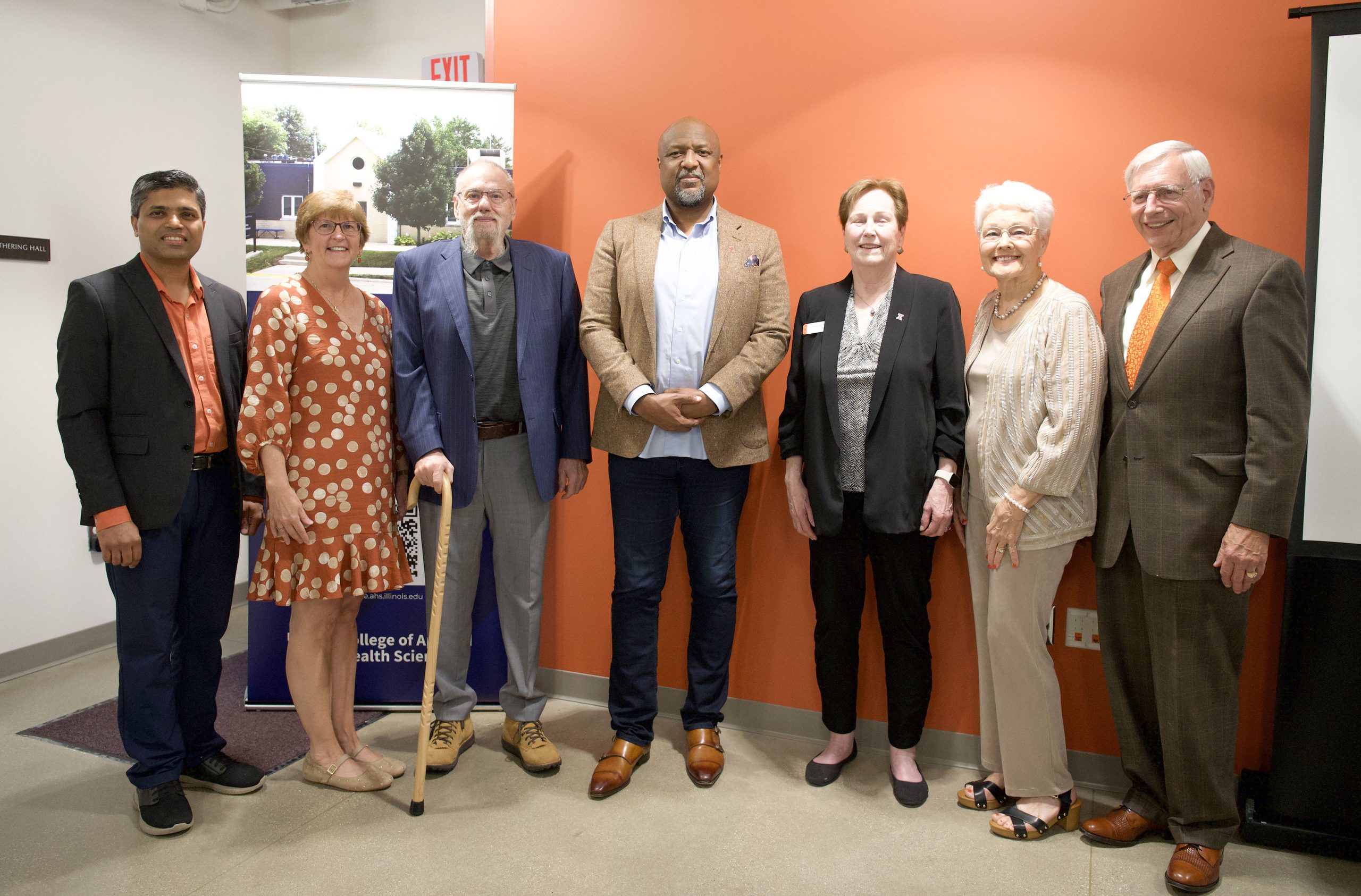
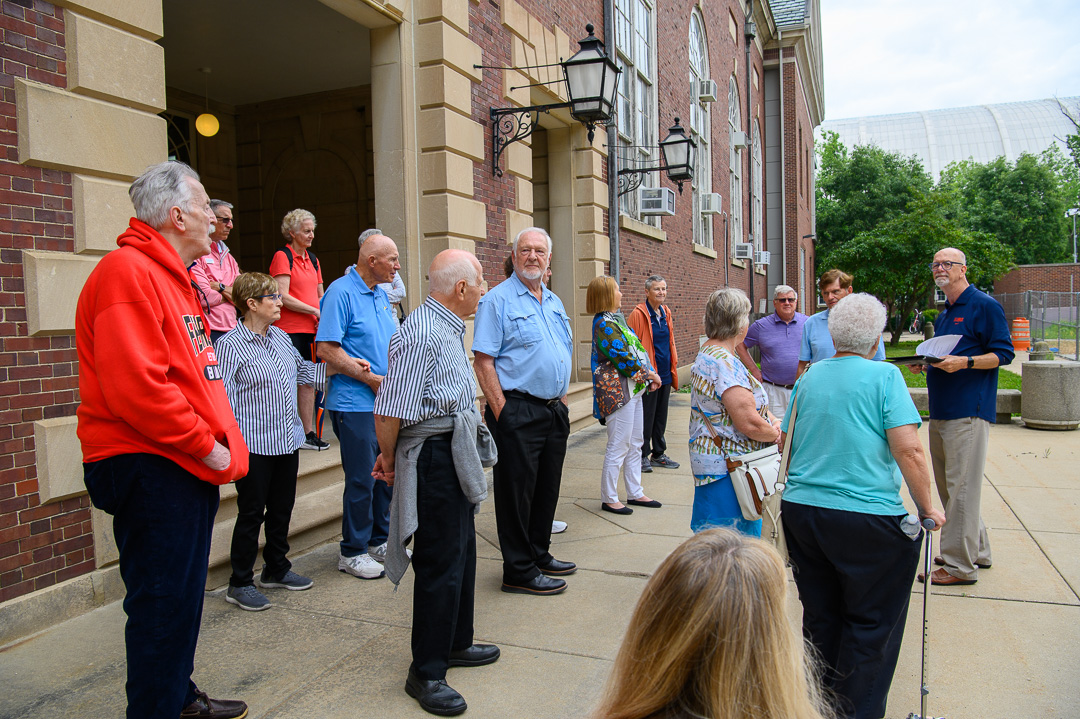
Five decades later, a group of those same students and faculty returned to campus to catch up with their former colleagues, and take a tour of their old academic home. The guest list left an indelible mark on the field of sport psychology as it stands today.
Even as Illinois’ own sport psychology program has faded, the legacy of its achievements and discoveries endure in the modern day College of Applied Health Sciences. Faculty at AHS, particularly in Health and Kinesiology, continue to study the psychological effects of exercise and physical activity at large, building on more than 100 years of tradition.
“All these former students, they’ve all gone on to distinguished careers. They’ve gone on to become presidents of national sport psychology organizations, and spoken all over the world,” Martens said. “This gathering, it’s a once in a lifetime thing.”
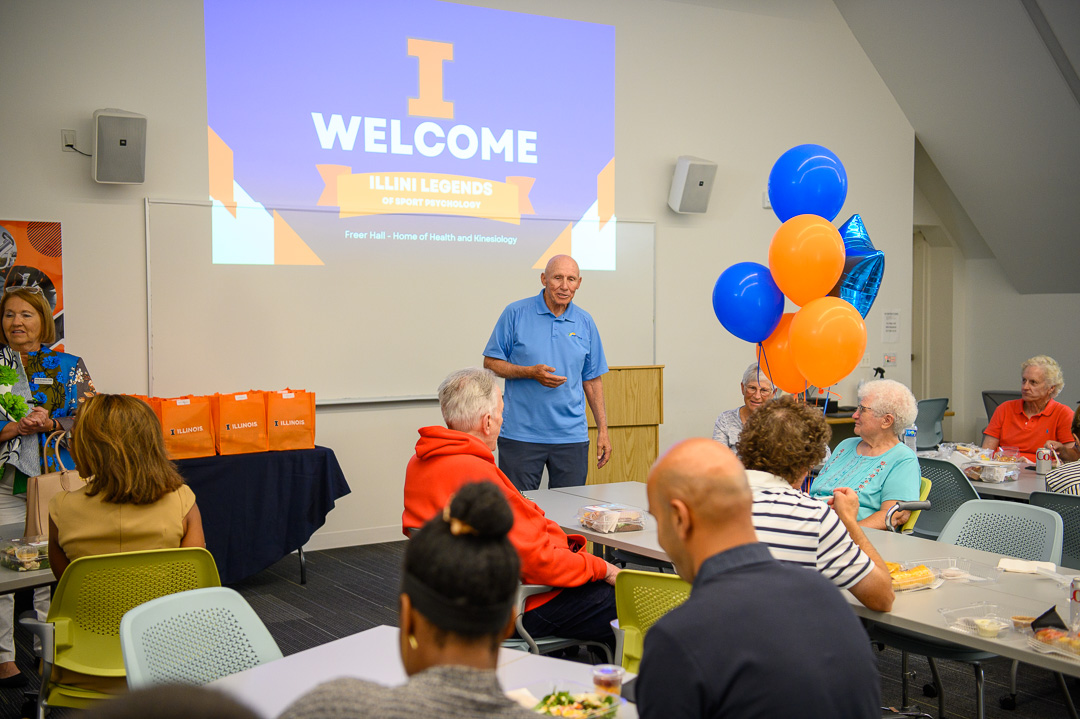
To cap off their walk down memory lane, these legends of sport psychology got to share lunch with current-day faculty and doctoral students in the Department of Health and Kinesiology.
“That was very humbling, we never expected anybody to turn out,” said Glyn Roberts, who worked as a professor of sport psychology at Illinois until 1998. “It was very rewarding that they would do that for us.”
Guests of Honor
- Rainer Martens, a professor of kinesiology at Illinois until 1984, and co-founder of Human Kinetics, leading publisher of books and journals on physical activity
- Julie Martens, PhD in sport psychology and the first employee of Human Kinetics, who retired as executive vice president in 2009
- Glyn Roberts, professor emeritus at the Norwegian School of Sport Sciences and former professor of sport psychology at Illinois
- Tara Scanlan, professor emerita of psychology at UCLA, and her husband Larry Scanlan
- Diane Gill, kinesiology professor emerita at UNC Greensboro
- Dan Gould and Marty Ewing, professors emeriti at Michigan State. Both earned a Ph.D. at Illinois, and Gould taught here until 1991
- Penny McCullagh, professor emerita at Cal State, East Bay
- Damon Burton, professor of sport psychology at the University of Idaho
- Robin Vealey, professor of kinesiology and health at the University of Miami, Ohio
- Linda “Bump” Harrison, a publisher who got her PhD in the program in 1987
- Marc Lochbaum, professor of kinesiology at Texas Tech who went to Illinois for undergrad and was mentored by several sport psychology greats
- Absent were Joan Duda, professor of sport and exercise psychology at University of Birmingham, and Dan Landers, a professor of sport and exercise psychology and co-founder of the Journal of Sport Psychology, who passed away in 2023
‘We didn’t realize it, but we were pioneers’
Though Illinois experienced fertile growth of sport psychology in the 1970s, the seeds were planted by Coleman Griffith, known as the “father of sport psychology” for his pioneering work into the mental aspects of athletic performance.
Griffith founded and ran Illinois’ Athletic Research Laboratory until 1932, where he studied the links between personality and physiology on athletic success. He wrote two books—“Psychology of Coaching” and “Psychology and Athletics”— but left no proteges for his research. Griffith later became provost of the university.
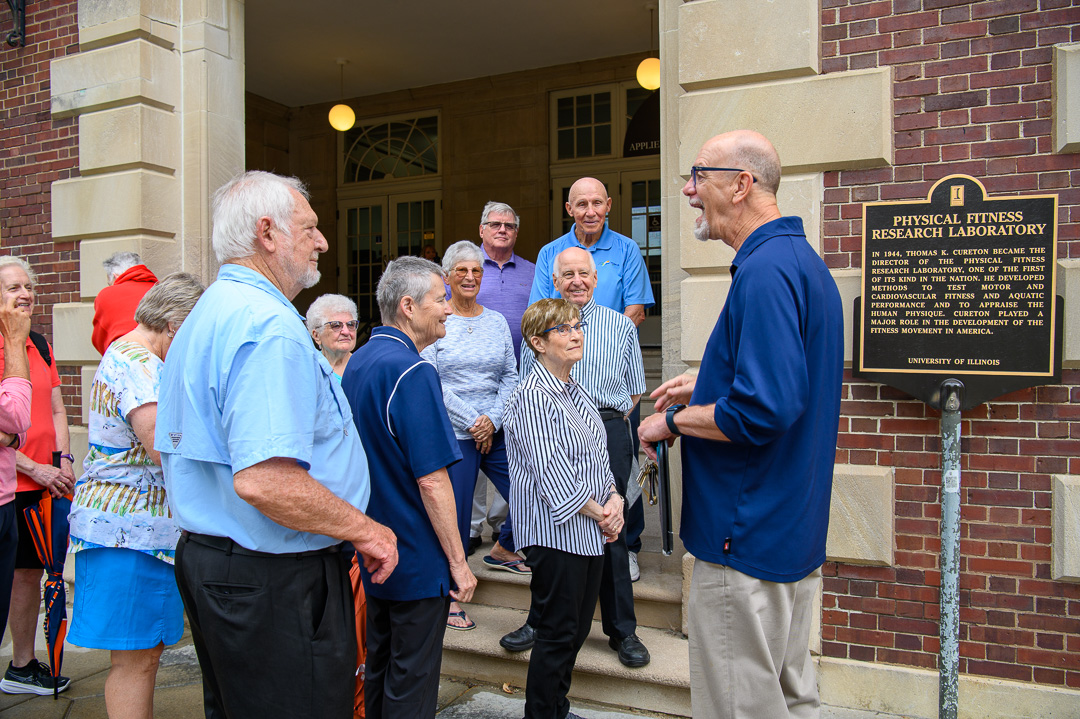
Physical fitness pioneer Thomas “TK” Cureton started his Physical Fitness Research Laboratory in 1944, occasionally collaborating with psychologist Raymond B. Cattell. The two of them examined the relationship between physical activity on personality and several of Cureton’s graduate students examined the anxiety-reducing effects of exercise. In 1951, Professor Alfred “Fritz” Hubbard revived Griffith’s research line with a new Sport Psychology Laboratory, located in a third floor office of Huff Hall, then known as Huff Gymnasium.
Hubbard specialized in motor learning, but saw latent potential in the sport psychology discipline. After a decade of research and recruitment, Hubbard had a prediction: the number of graduate students interested in sport psychology would double or triple by the end of the 1970s. His forecast of growth came true.
Still, those who joined the Illinois sport psychology program in the 1960s found their way to the field before an academic path formally existed. Some started out in coaching or physical education, and were searching for applied knowledge to use in the field.
For Rainer, his experience with intense anxiety before youth wrestling matches inspired him to understand competitive nerves and how to quell them.
After getting degrees from the then-named Department of Physical Education, Landers, Martens and Roberts all eventually joined the Children’s Research Center, a grant-funded research vehicle seeking to explain children’s behavior from multiple academic disciplines.
The recent grads worked in the center’s Motor Performance and Play Research Laboratory, where they used social psychology principles to study children’s play, and explore how their stress levels, personalities and more influenced their motor learning.
The grant-funded lab supercharged their progress.
“A lot of the stuff we did initially was stress related. How do you reduce stress? That was Rainer’s research—what he called competitive anxiety,” said Roberts, who began working at the Children’s Research Center in 1973. “Mine was motivation: how do you make people do what they ought to be doing?”
Full-time research positions to study the field were unusual, and freeing. From 1968 to 1975, Martens stayed on with the Children’s Research Center. Lifted by the university’s resources, namely its enormous library, computing power and collaborators in psychology, the lab produced leading research in sport psychology before peer institutions had caught on to the emerging discipline.
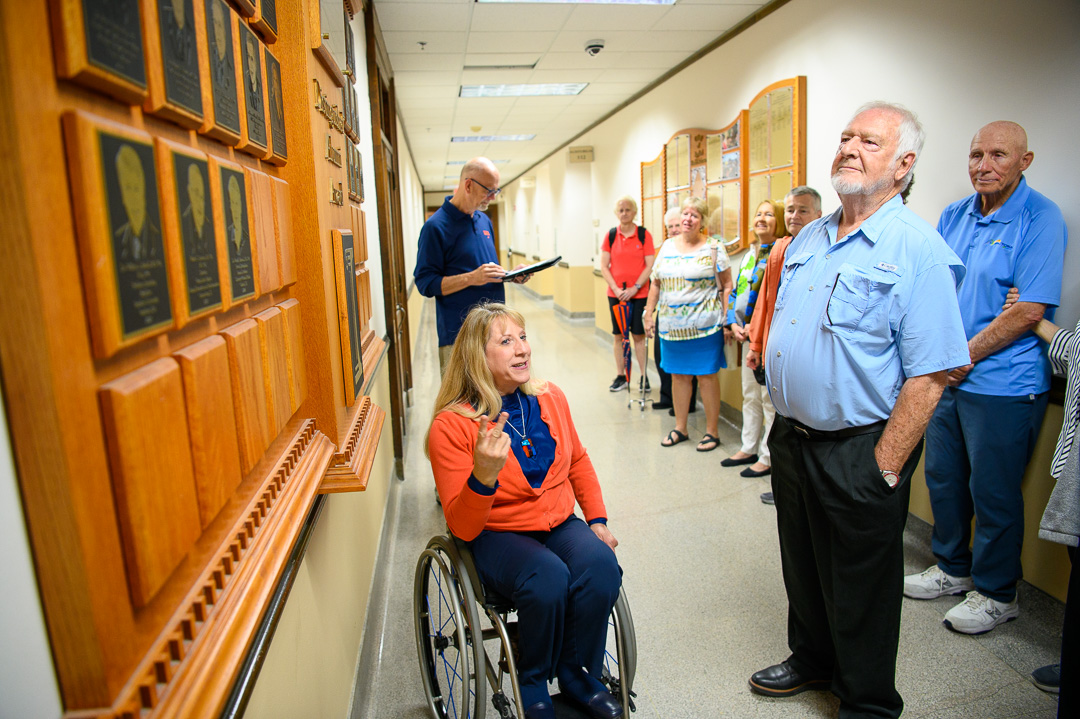
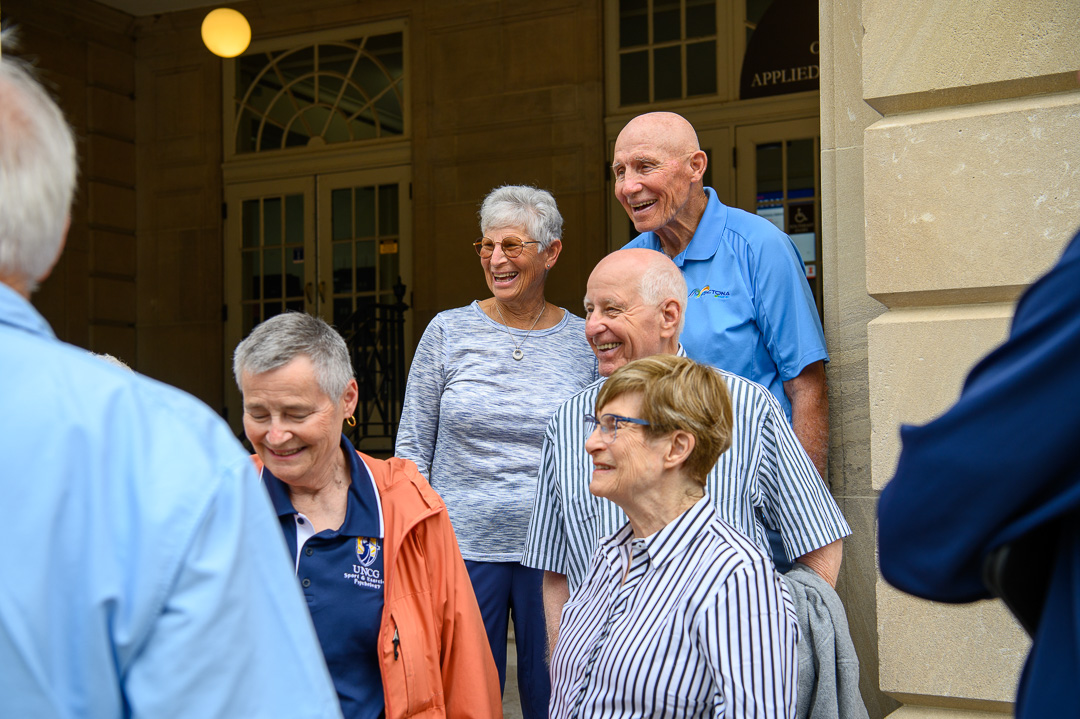
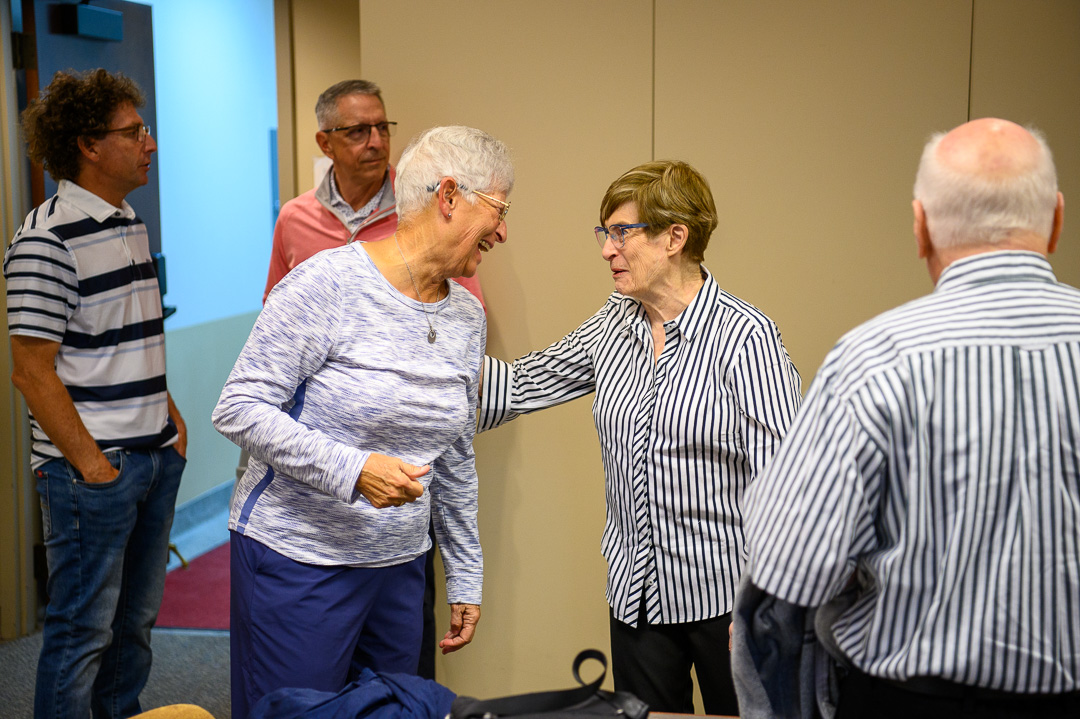 Julie Martens (center left) and Tara Scanlan (second from right) share a laugh in Huff Hall. Both of them obtained their doctoral degrees in sport psychology from the University of Illinois.
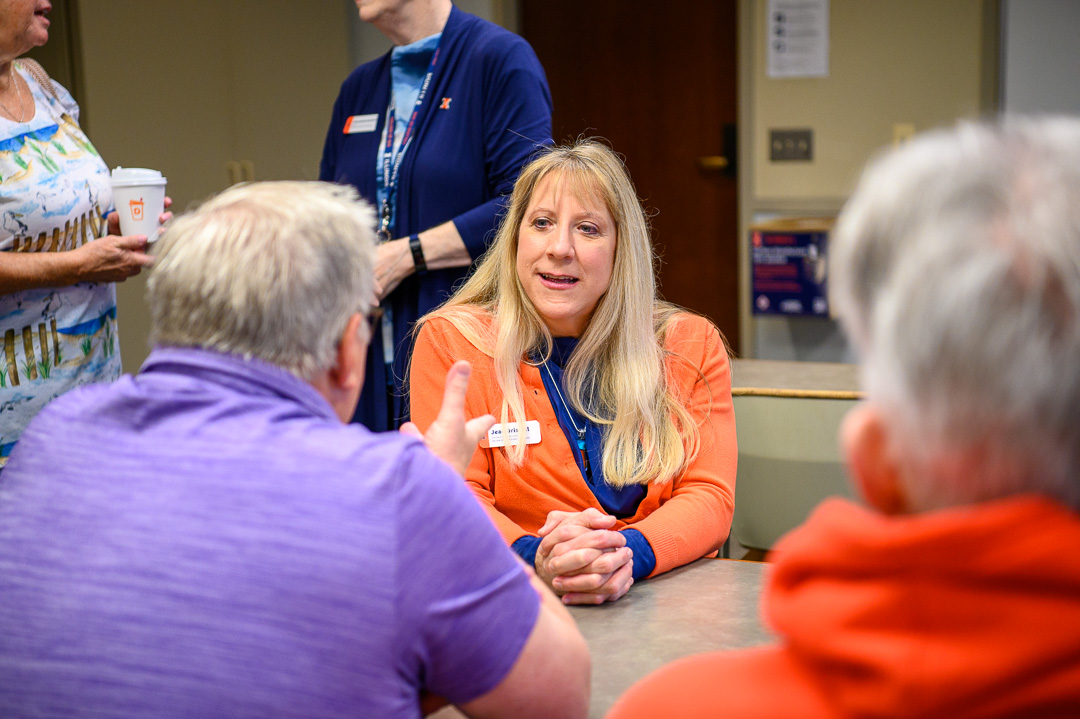
The enthusiasm of Illinois sport psychologists was clearly infectious. After a couple years teaching physical education, Diane Gill attended a conference at Brockport, New York, where she got to hear both Dan Landers and Rainer Martens speak about their research at Illinois. By her first semester in Urbana-Champaign, Gill was in Martens’ class “Social Psychology and Physical Activity,” where his first doctoral student, Tara Scanlan, was teaching assistant.
“Taking that course, immediately I thought, ‘this is the area I’d like to be in,’” Gill said.
She soon worked with the pair on their competitive anxiety research, and later studied competitiveness and athletes’ “achievement orientation,” or drive to improve and accomplish goals within their sport, along with a host of other topics in the field.
“Illinois was the place to be if you wanted to be in sport psychology,” she said.
Gill is newly retired, having spent more than 30 years as a professor of kinesiology at University of North Carolina, Greensboro after obtaining her master’s and Ph.D. at Illinois.
(“My doctoral students are retiring,” said Martens, now 82. “That makes me really old.”)
Physical activity—whether it’s high-level athletics or recess play—is all one field.
Diane Gill
Professor Emerita of Kinesiology, UNC GreensboroJulie Martens, née Simon, was accepted into the program in 1973, coming to Illinois specifically to study with Rainer. (They would get married nearly 20 years later).
“[Tara Scanlan and Diane] had an office out at the Children’s Research Center right next to Rainer’s. As I got to know them, we used to be out there every evening. They said, “Come on out, you can study at night with us,’” Julie said. “That’s how I got involved with meeting the other students, then I got an assistantship and got where I wanted to be.”
The scientists would run experiments, hop over to the nearby cafeteria in the Adler Mental Health building for lunch and sketch out ideas for new research designs on napkins. Those early days were “invigorating,” Martens said.
By 1980, U. of I. was the premier place of study for sport psychology, alongside Penn State. They had turned the topic into a formal graduate program, and the field was continuing to blossom. In 1979, Dan Landers and Rainer co-founded the Journal of Sport Psychology, where Landers was the inaugural editor-in-chief.
As the field grew in relevance, new pathways opened up and Illinois sport psychology spread across the country. Sport psychology got a “big break” when the Olympic Training Committee allowed athletes to be advised by professionals who weren’t clinicians or psychiatrists, Roberts said—sport psychologists could now help athletes develop strategies to perform under extreme stressors.
“The U. of I. was very special. And the thing that stuck with me was we attracted such good students. We generated a reputation, and students wanted to come here from all over the world,” Roberts said. “We didn’t realize it, but we were pioneers.”
‘No better program in the world’
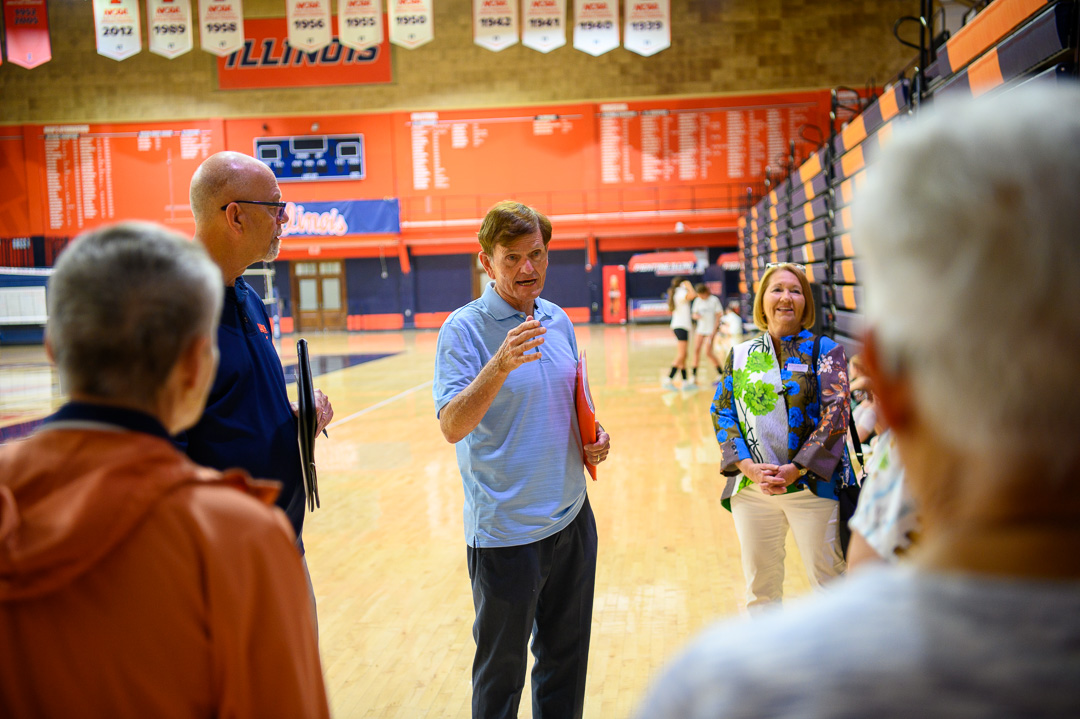
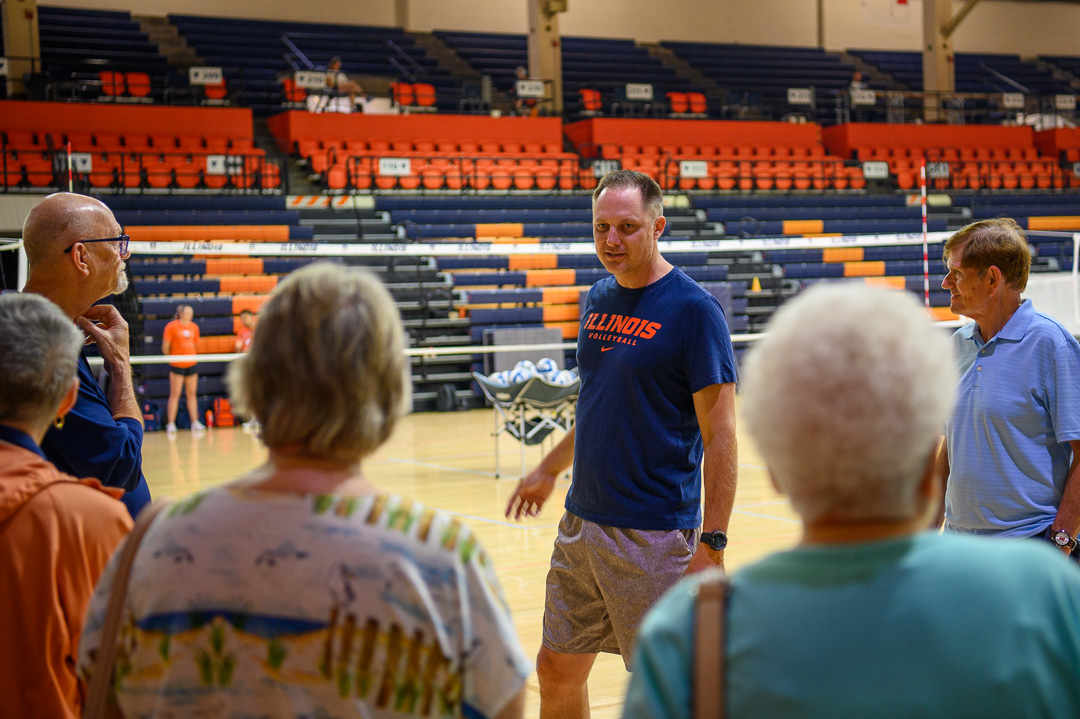
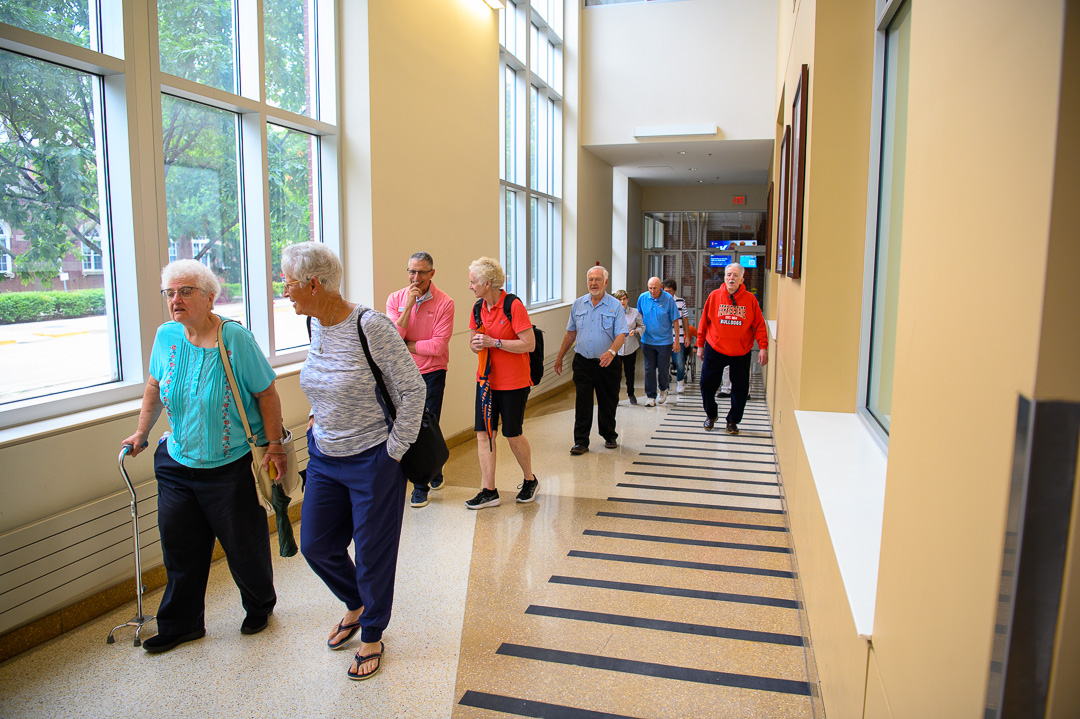
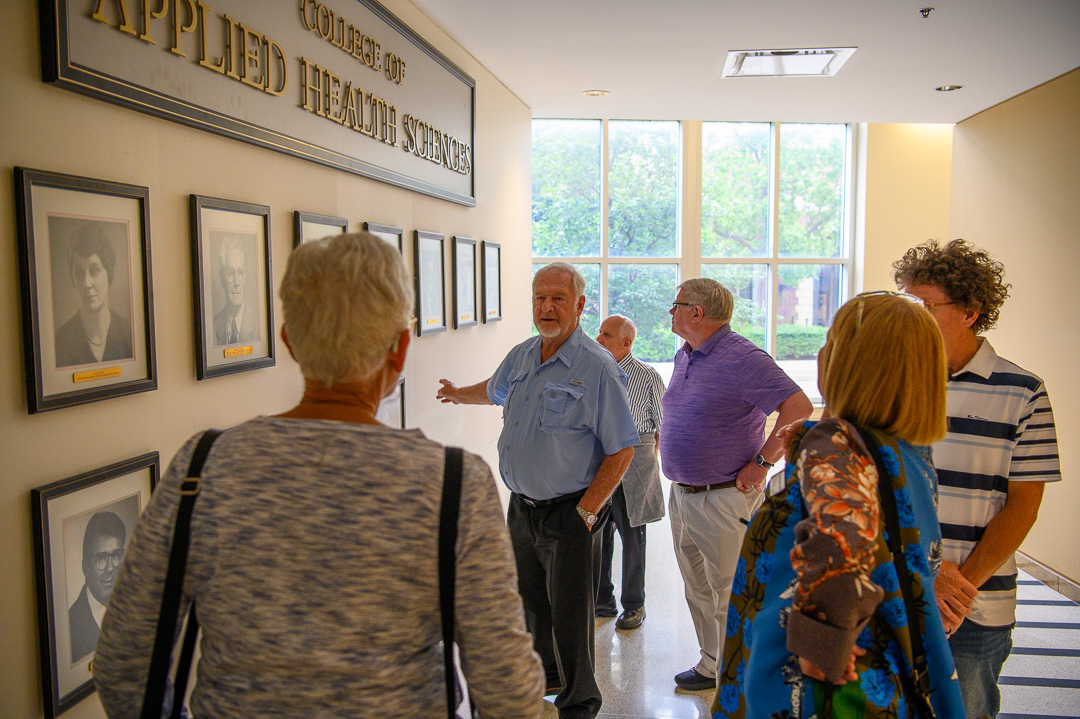
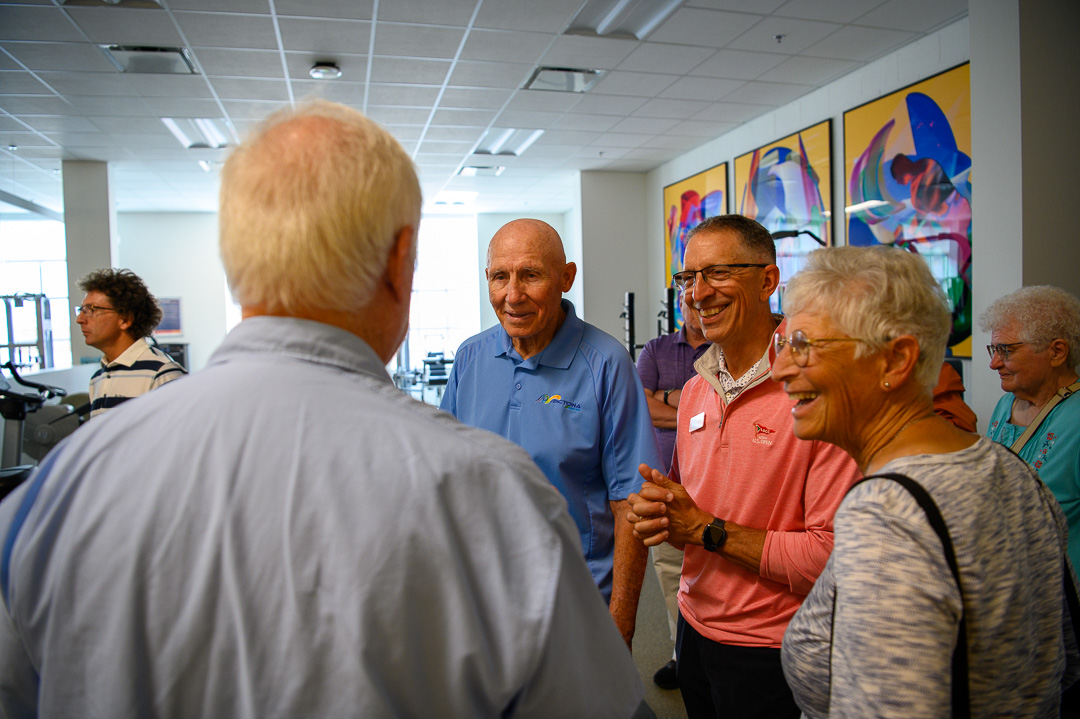
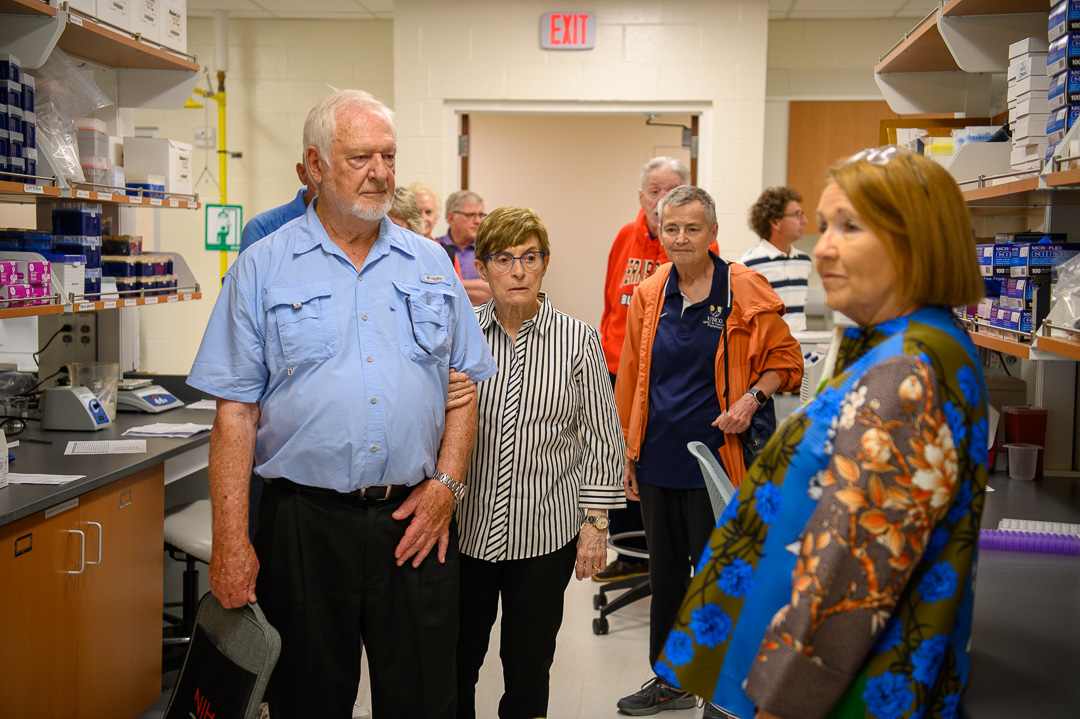
Between visits to their old labs and offices, the sport psychology legends visited classrooms in Huff Hall where there used to be a swimming pool, and walked on floors of Freer Hall that were once open air.
“In Freer and Huff, things have changed, which is good in many ways. You wouldn’t want the same stuff you had 50 years ago,” Gill said.
Over the weekend, the sport psychology crew took the 40-minute drive to Allerton Park in Monticello, where they hosted the nation’s first conference in sport psychology: the North American Society for Psychology of Sport and Physical Activity (NASPSPA) in 1973.
Several of them later served as executives and presidents of the society. The first conference also planted the seeds for Human Kinetics, the Champaign-based publisher of sport and exercise science founded by Martens and his first wife, Marilyn.
Though a formal sport psychology program no longer exists at Illinois, the field has expanded and evolved. The Department of Health and Kinesiology continues to study the psychological aspects and benefits of physical activity.

“I think of it as one field. Physical activity—whether it’s high-level athletics or recess play—is all one field,” Gill said.
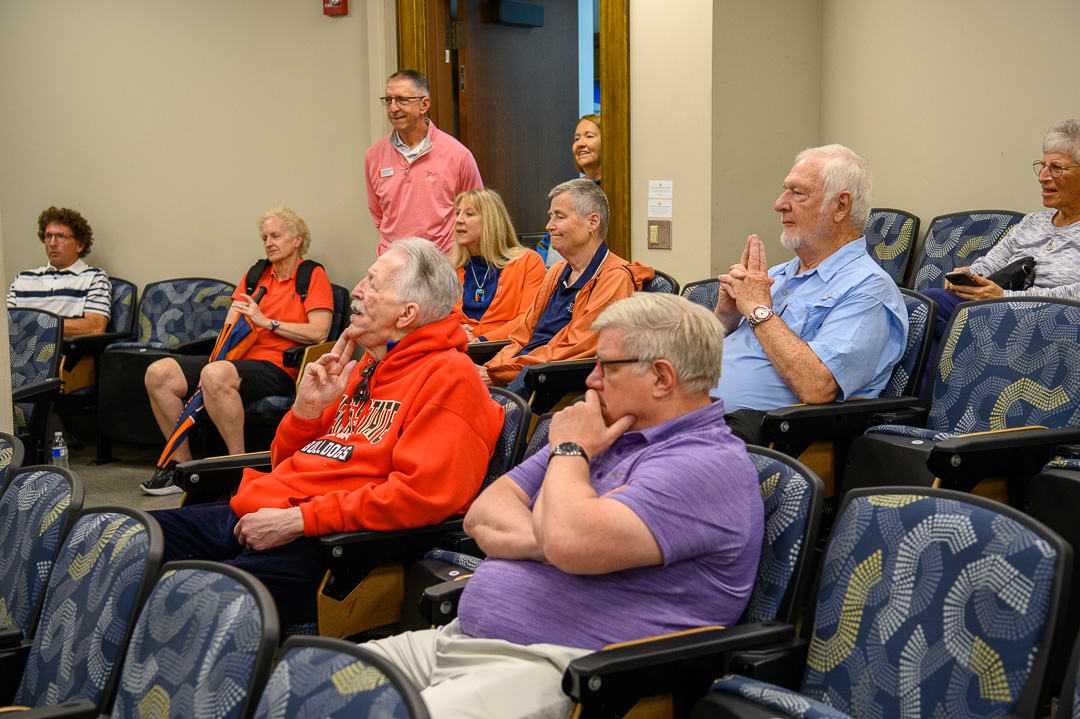
After walking through their old stomping grounds, the group met with current-day faculty and students of Health and Kinesiology for lunch in Freer Hall.
“This was the group that got sport psychology a foothold in this country,” said HK Professor Steve Petruzzello, who runs the college’s Exercise Psychophysiology Laboratory. “It’s wonderful to see these folks back here, to see their eyes light up as they’re walking around the halls, seeing spaces that look familiar and some that are completely unfamiliar.”
What remains from this era of sport psychology, and even the early days of Athletic Research Laboratory, are questions on the relationship between physical activity and psychology—including personality, stress, cognitive factors and affect, or feeling states.
“Faculty currently study these kinds of topics in older adults and children, in diverse populations, and in more specialized groups like tactical athletes,” Petruzzello said. “So really, the pioneering work of Coleman Griffith at Illinois over 100 years ago has evolved and developed into what it is today.”
Before heading off, the sport psychologists dispensed career advice with some of the rising graduate students and faculty. Linda Harrison obtained her Ph.D. from the program in 1987—she opted to go into the publishing industry instead of academia, but she credits her time at Illinois for developing her abilities to think and ask questions.
“The grad students all benefited from the historic founding fathers of sport psychology and the scholars who picked up the torch to carry the program to the next level,” Harrison said. “I am sure there was no better program in the world than the one offered at U. of I.”
Editor’s note:
To reach Ethan Simmons, email ecsimmon@illinois.edu
The College of Applied Health Sciences and Illinois Division of Intercollegiate Athletics are celebrating 100 years of Huff Hall this fall.
Share on social